
Preparing for the Australian Architectural Practice Examination (APE) while working full time can feel overwhelming.
For many architecture graduates, the challenge is not motivation — it’s time, clarity, and knowing what actually matters.
If you are currently working in practice and planning to sit the APE, you are not alone. Most candidates prepare for architectural registration in Australia while juggling full-time work, project deadlines, and professional responsibilities. The good news is that effective preparation is possible — if you understand how the APE is assessed and how your daily work fits into the registration pathway.
Understanding What the APE Is Really Testing
One of the most common misunderstandings about the APE exam is that it is a test of memory or technical detail. In reality, the Architectural Practice Examination assesses professional judgement.
The exam is based on the National Standard of Competency for Architects, which sets out the minimum level of competence expected of a registered architect in Australia. Rather than asking you to recall obscure facts, the APE focuses on how you:
- identify and manage risk,
- understand professional and legal responsibilities,
- communicate appropriately with clients, consultants, and contractors, and
- apply judgement within realistic practice scenarios.
Once you understand this, preparation becomes less about “studying harder” and more about aligning your experience with the competency framework.
Start With Your Work, Not With Study Notes
For candidates working full time, the most effective preparation strategy is to start with your daily work experience.
Every drawing you prepare, consultant coordination you assist with, site meeting you attend, or RFI you respond to is already connected to the APE performance criteria. The key is learning how to recognise and document that experience properly.
This is why early preparation for the logbook and Statement of Practical Experience matters. Candidates who leave documentation until the last minute often struggle to reconstruct years of work from memory. By contrast, candidates who gradually map their experience to the competency framework find the exam and interview far more manageable.
Making Time Without Burning Out
Preparing for the APE while working full time does not require large blocks of study time. In fact, short, consistent sessions are often more effective.
Many successful candidates:
- review one competency area at a time,
- reflect weekly on what they worked on in practice, and
- use scenario-based questions to train professional judgement rather than memorisation.
This approach mirrors how the NEP exam is structured and helps integrate exam preparation into everyday professional life.
Why Many Graduates Feel Lost
One of the biggest challenges for APE candidates is the lack of a single, clear preparation resource.
Official information is available on the AACA website, but it is often spread across policy documents, online systems, and assessment guidelines. While each resource is valuable, many candidates struggle to interpret how the performance criteria translate into real exam questions, logbook entries, or interview responses.
This gap is especially challenging for graduates who did not receive formal training in professional practice at university.
A Practical Resource for Full-Time Candidates
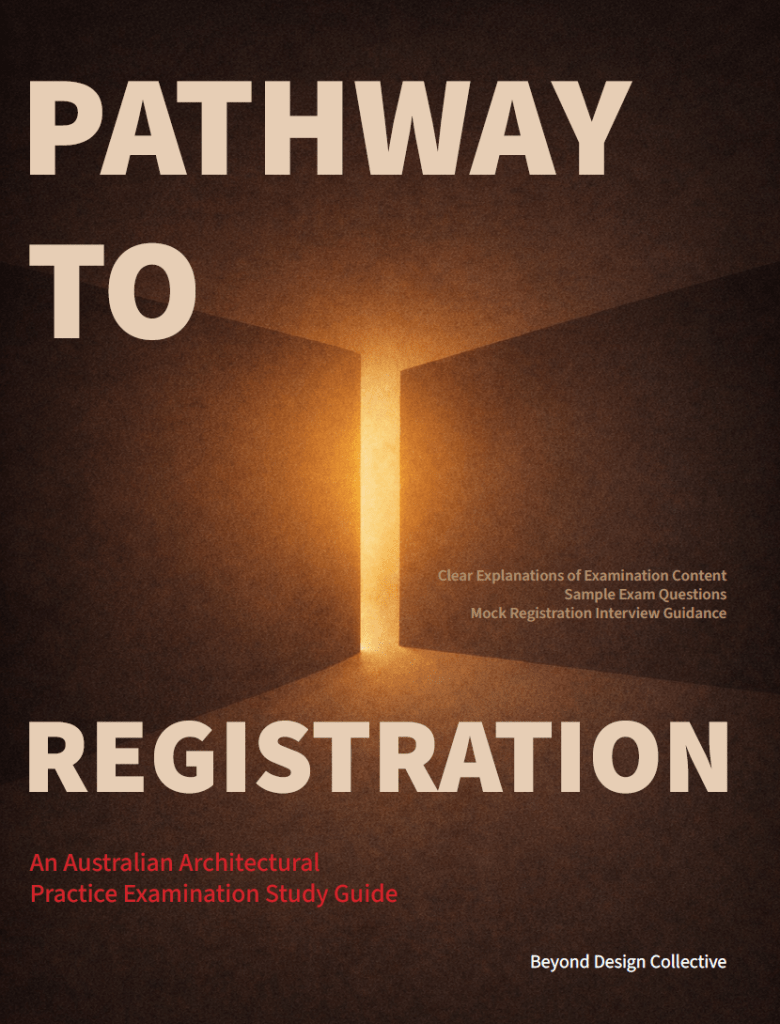
Pathway to Registration: An Australian Architectural Practice Examination Study Guide was written specifically for architecture students and graduates navigating registration while working in practice.
The guide brings together:
- clear interpretations of the National Standard of Competency for Architects,
- practical guidance on logbooks and Statements of Practical Experience,
- NEP-style sample exam questions with explanations, and
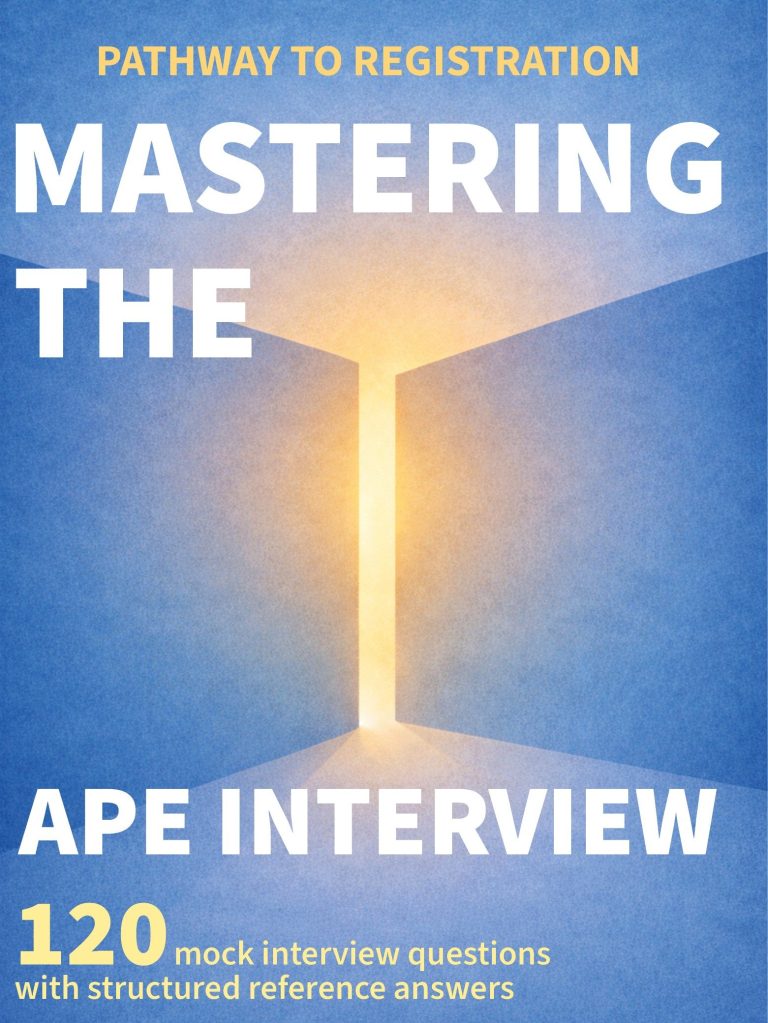
- mock registration interview material based on real assessment themes.
Rather than focusing on theory alone, the book is designed to help candidates understand how the APE is assessed and how professional judgement is demonstrated.
Registration Is a Process, Not a Shortcut
Architectural registration in Australia is not about rushing through requirements. It is a structured process designed to ensure that candidates are ready to take on independent professional responsibility.
Preparing for the APE while working full time is challenging — but it is also an opportunity to reflect on your experience, strengthen your judgement, and connect your daily work to long-term professional goals.
With the right structure, clarity, and resources, registration becomes not just achievable, but meaningful.


Leave a comment